News
Our products are exported to over 30 countries.
Possess the full-process development capability from concept design to mass production and implementation

Possess the full-process development capability from concept design to mass production and implementation
This guide details the standard operation procedures and post-use maintenance protocols for high-pressure defoaming machines. Adhering to these steps ensures safe, efficient operation, consistent defoaming results, and extended equipment service life. It is tailored for international users with standardized terminology and a structure aligned with global product documentation practices.
Follow the sequence below to initiate and complete a defoaming cycle. Ensure all safety checks are performed before operation.
Connect the power supply and confirm that the input voltage falls within the normal operating range (360–400V). Verify that all electrical components are functioning without abnormalities before proceeding.
Set the target temperature via the control panel, with an upper limit of 60°C. Avoid exceeding this threshold to prevent material damage and equipment overload.
On the Human-Machine Interface (HMI), adjust the pressurization level. The maximum allowable pressure is 5.0 kg/f. Ensure the set pressure matches the requirements of the material being processed.
Configure the pressure holding time based on specific process parameters, with an adjustable range of 0–60 minutes. Refer to the material technical sheet for optimal duration recommendations.
Set the door opening delay to 0–10 seconds. This safety feature prevents accidental door opening before pressure is fully released, protecting operators and materials.
Place the materials to be defoamed into the machine chamber. Ensure materials are evenly arranged and do not block pressure or temperature sensors to maintain process accuracy.
On the HMI, select the "Auto Run" mode, manually close the chamber door, and press the start button to begin the defoaming cycle. The machine will automatically execute the preset temperature, pressure, and holding time parameters.
Once the cycle is complete, manually release the door's self-locking mechanism and open the door (mechanical or electric type) to remove the processed materials. Confirm the chamber is depressurized and cooled before unloading.
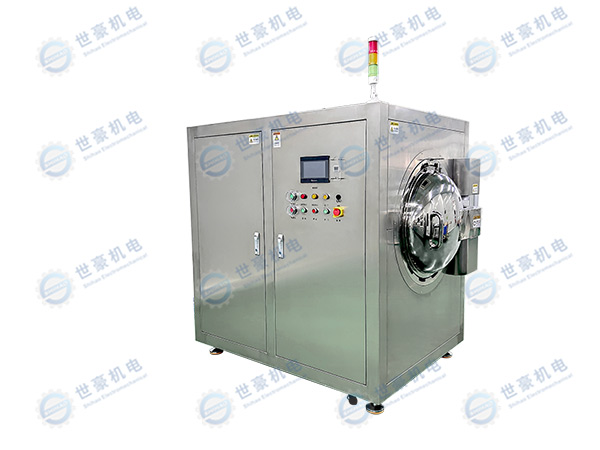
Regular maintenance is critical to sustaining machine performance, reducing downtime, and ensuring consistent product quality. Conduct the following checks after each use or at specified intervals.
Periodically compare the machine’s current set values with the standard parameters outlined in the user manual. After prolonged use, verify the correctness of the temperature controller’s Set Value (SV) and Process Value (PV). Incorrect PV settings may cause excessive temperature and pressure even under normal operating conditions—always reconfigure in accordance with the manual.
Check the door gasket for signs of damage, wear, or deformation. A faulty seal will cause air leakage during pressurization, typically accompanied by a distinct hissing sound. Replace the gasket immediately if any defects are detected to maintain pressure stability.
For machines equipped with a belt-driven vent fan, routinely inspect the belt for wear, fraying, or breakage. A broken belt will result in the fan failing to rotate despite motor operation, affecting heat dissipation and pressure release. Replace the belt promptly when necessary.
Ensure the pressure gauge reads 0 MPa when the chamber is depressurized. Erratic gauge movement or inaccurate readings can lead to incorrect chamber pressure control, compromising defoaming consistency and final product quality. Calibrate the gauge regularly per the maintenance schedule.
Periodically wipe down the machine body, electrical components, and chamber interior with a clean, dry cloth. Remove dust, debris, and residual materials to prevent corrosion, electrical malfunctions, and contamination of future batches. Avoid using harsh chemicals that may damage the equipment surface or components.
19 years of focus on research and development as well as production