News
Our products are exported to over 30 countries.
Possess the full-process development capability from concept design to mass production and implementation

Possess the full-process development capability from concept design to mass production and implementation
High-temperature vacuum ovens are widely used in low-temperature drying processes across pharmaceutical, food, light industry, and chemical sectors. They are favored for their rapid drying speed, minimal contamination, and ability to preserve the internal quality of materials. However, during actual operation, the equipment often experiences various malfunctions, causing inconvenience to users. Based on years of experience and research, the following summarizes common faults in high-temperature vacuum ovens and their solutions, helping users quickly troubleshoot and restore normal operation.
Water vapor generated during drying may recondense and re-infiltrate materials if not promptly vented from the sealed environment, leading to repeated drying failures. This typically stems from inadequate venting during operation or insufficient vacuum dehumidification.
Periodically inject a small amount of air into the chamber while activating the vacuum pump to extract accumulated water vapor. Intermittent venting and dehumidification effectively prevent moisture backflow, ensuring complete material drying.
Incorrect shutdown sequence—closing valves before shutting off the vacuum pump allows water or oil from the pump to be sucked back into the chamber. Inexperienced operators often make this error.
Strictly follow the procedure: close valves first, then stop the vacuum pump. To prevent human error, install a check valve between the vacuum pump and drying chamber. This valve automatically seals the passage when the pump stops, fundamentally preventing backflow.
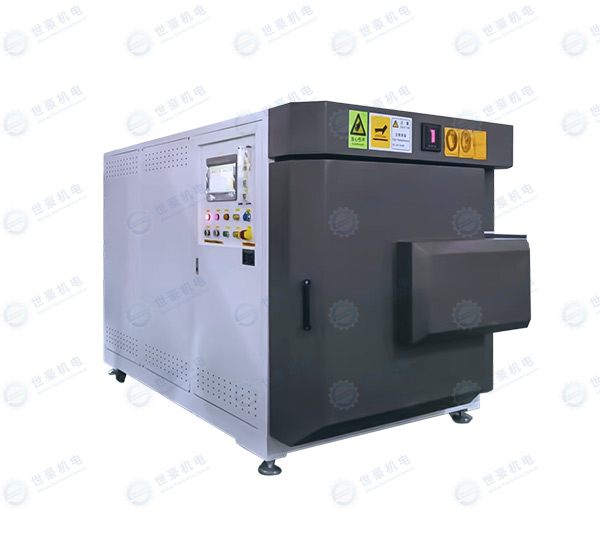
After prolonged operation, the most common cause of air leaks is aging or damaged seals, rather than faults in the oven chamber itself. In rare cases, valve damage may also lead to leaks.
First, inspect and replace aged sealing strips. If the issue persists, further investigate the valve condition. Promptly replacing damaged valve components will restore sealing integrity.
Frequent door openings cause heat loss, leading to temperature fluctuations. Additionally, damaged or malfunctioning temperature sensors can result in inaccurate readings.
Minimize door openings during the drying process to maintain stable chamber temperatures. If persistent abnormal temperature differences occur, inspect and replace faulty temperature sensors to ensure accurate measurements.
19 years of focus on research and development as well as production